
Develop the pitcher, not just the fastball
Grips, mechanics, arm care, and sane training for youth and amateur pitchers — velocity as a result, not a religion.
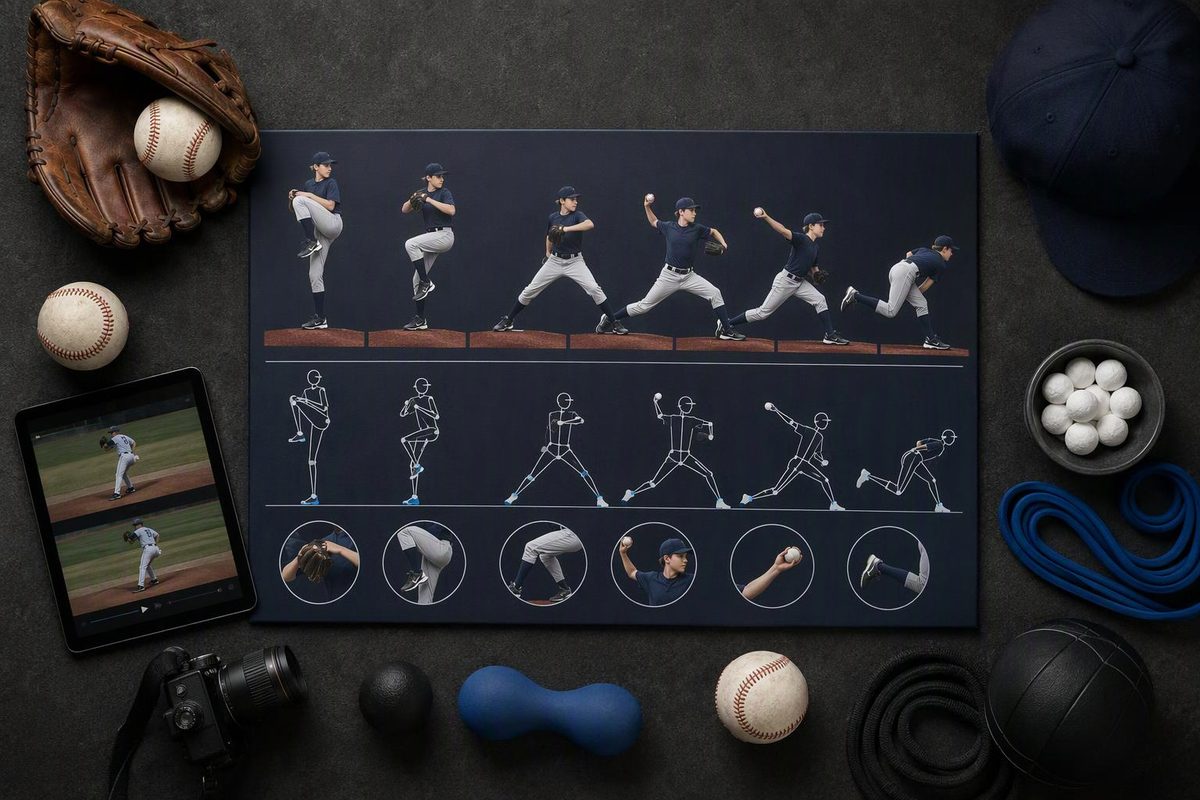 Pitching Mechanics Diagram: Six Phases and Simple Checkpoints
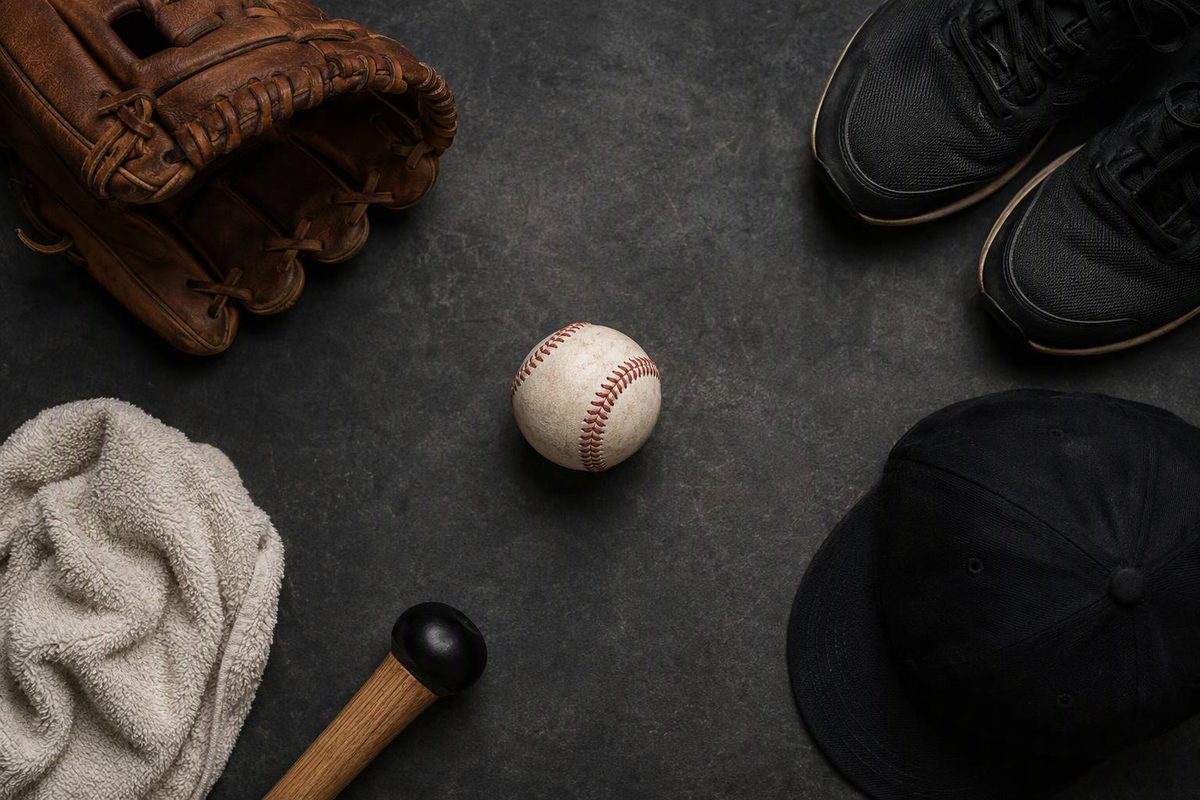 Curveball Motion: Why It Drops and Breaks
About
Pitcher's Helmet covers pitching development in the right order: command and mechanics first, arm health always, and the velocity that follows both.
Featured
Curveball Movement: Why It Drops and Breaks Glove Side. Understand curveball movement, 12-to-6 and diagonal break, what drop numbers mean, and how developing pitchers can check shape without chasing spin. Feature · October 26, 2026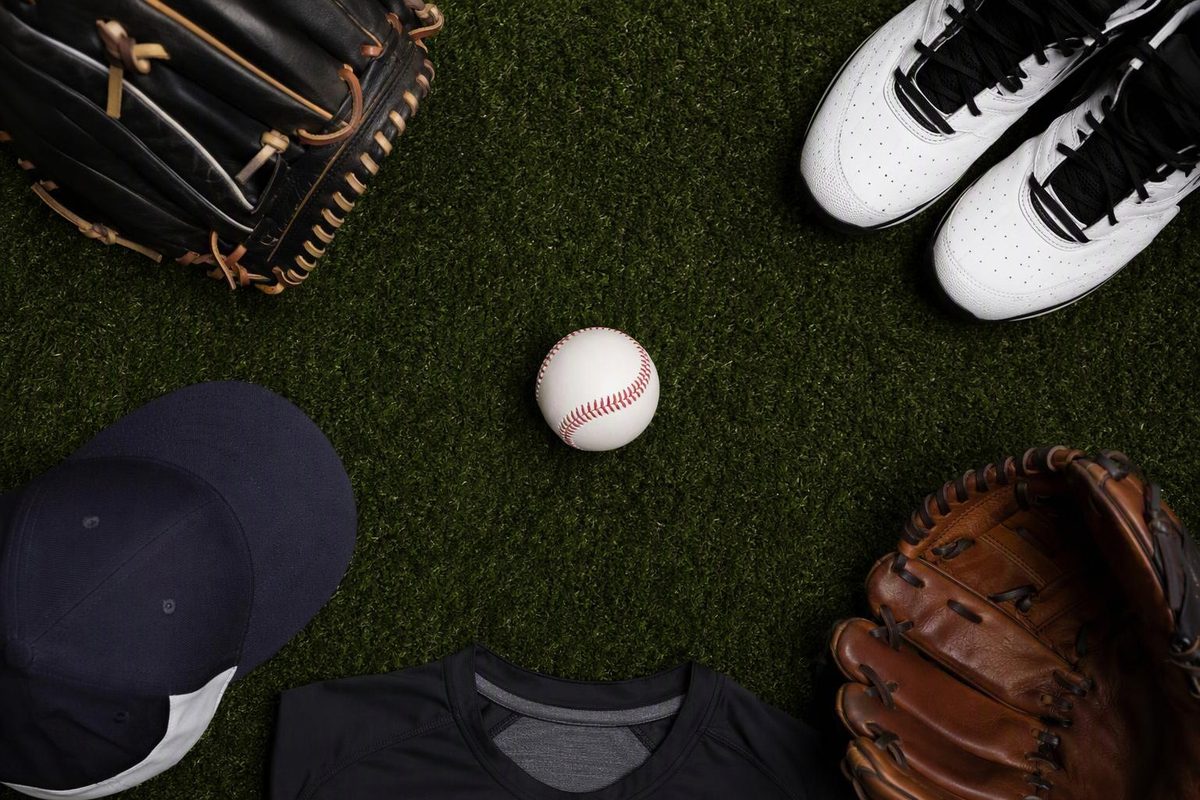 What's the Difference Between a Curveball and a Slider?
A curveball is usually slower with more break; a slider is harder and tighter. Compare their movement and see what developing pitchers should learn first.
Feature · October 25, 2026
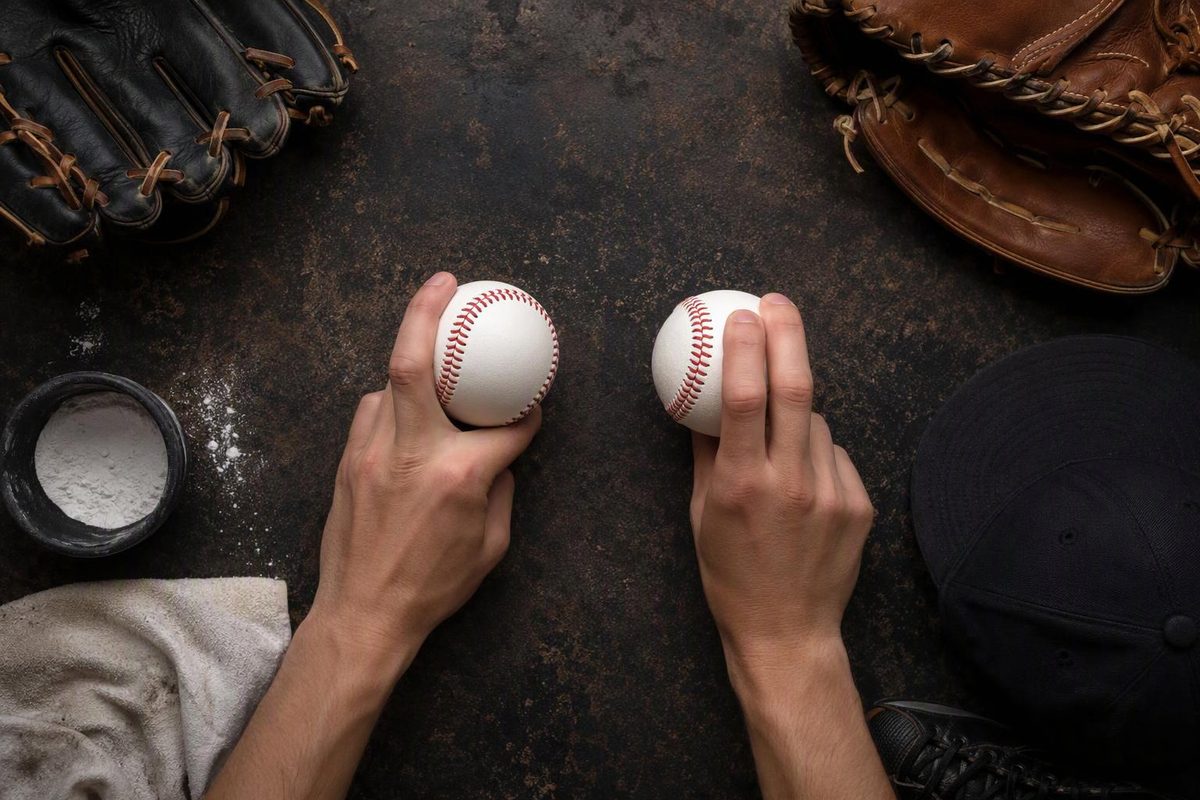
Latest
 Pitching From the Windup: Steps and Practice Cues
Feature · October 15, 2026
 Pitching Stance: Feet, Posture and a Repeatable Setup
Feature · October 15, 2026
 What Is a Sweeper Pitch in Baseball?
Feature · October 13, 2026
 Windup vs Stretch: Which Should a Young Pitcher Use?
Feature · October 9, 2026
 How to Throw a Baseball Faster: Build the Whole Pitcher
Feature · October 7, 2026
 Circle Changeup Grip, Release Cues and Command Checks
Feature · October 6, 2026