
Build a Repeatable Stretch Delivery Without Rushing
Set your feet, learn when a complete stop is required, and practice a controlled stretch delivery with drills that fit your existing pitching workload.
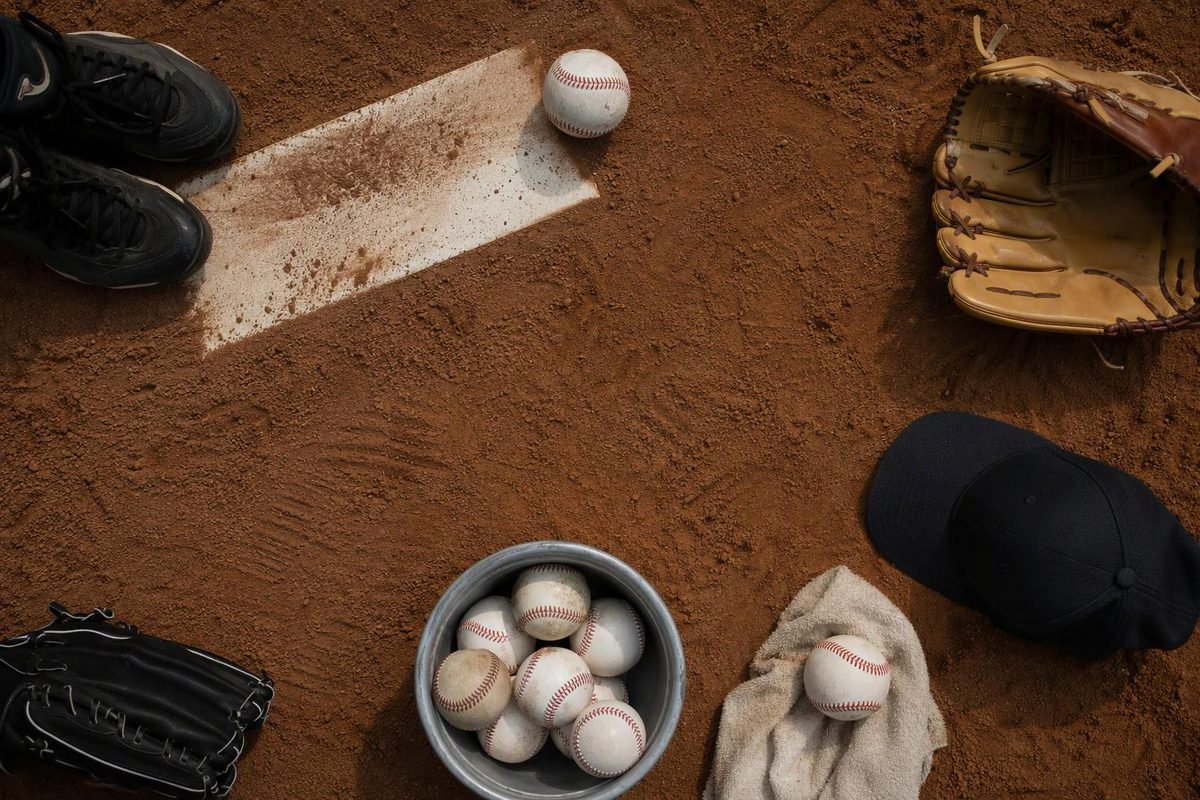
Pitching from the stretch means delivering from the set position rather than using a windup. Start sideways to home plate, bring your hands together, establish your set, then lift and stride into the pitch. You can use a regular leg lift; a slide step is optional. For a developing pitcher, the priority is a repeatable delivery, not the fastest possible move to the plate.
Pitchers commonly use the stretch with runners on base because its shorter delivery gives runners less time to steal. Either legal pitching position can also be used with the bases empty, so you do not need to learn a windup first. MLB’s set-position explanation describes both options. Whether you must stop before delivering depends on your rulebook and, under the Official Baseball Rules, whether runners are on base.
Choose your rulebook and runner situation to check the complete-stop requirement.
Check the Set-Position Stop Rule
Complete Stop Required
Under the 2026 Official Baseball Rules, a pitcher using the set position with runners on base must come to a complete stop before pitching.
Once a motion associated with delivering the pitch begins, continue without alteration or interruption.
Division Limits and Practice Habit
Little League’s cited interpretation covers Major Baseball and below, not every division. Other rulebooks and local modifications need confirmation from your coach.
A clear stop is a useful setup rehearsal even where it is not required. This checker addresses the stop requirement, not every condition for a legal pitch.
Sources: 2026 Official Baseball Rules, 5.07(a); Little League’s set-position interpretation. Without JavaScript, the result shows the default OBR runners-on-base situation.
Set Your Feet Before Moving Your Hands
Your pivot foot is your throwing-side foot: the right foot for a right-handed pitcher and the left foot for a left-handed pitcher. In a conventional stretch setup, place it against the rubber, parallel to the rubber’s long edge. Place the other foot in front of the rubber, toward home plate. Your glove-side shoulder points generally toward the catcher.
Those foot relationships appear in the 2026 Official Baseball Rules, Rule 5.07(a)(2). Treat them as the starting position, not a reason to force every pitcher into the same stance width or body angles.
Start around shoulder width with relaxed knees. Before throwing, check whether you can lift your front foot without shuffling, lurching sideways or rearranging your stance. If not, adjust the width with your coach. A setup that looks tidy but requires a preliminary movement is not yet repeatable.
For a beginner, separate the foot-placement check from the throwing motion. Step into position, look down to confirm where your feet are, then direct your attention toward the catcher. Do that during setup rehearsal rather than trying to inspect your feet while delivering a pitch.
Once you have found a comfortable stance, use it consistently for the practice task. Changing foot width, hand height and leg lift together makes it harder to identify which adjustment helped. Have your coach watch the delivery rather than copying another pitcher’s exact posture.
Take the Sign, Bring Your Hands Together and Establish Your Set
Under Rule 5.07(a), take the catcher’s sign while touching the rubber. Before coming set, keep one hand at your side, then bring ball and glove together in front of your body in one continuous motion. Choose a comfortable hand height that you can return to without searching for it.
For practice, establish a clear stop after your hands come together. That gives you and your coach an identifiable starting point for the delivery. It does not mean every division requires the stop, or that you should hold a rigid pose until your muscles tense.
Keep the sequence distinct: take the sign, bring the hands together, establish the set, then begin the pitch. A developing pitcher often blurs those actions when trying to work quickly. The useful correction is to rehearse the sequence without a throw, not to make the arm move faster.
A side-view recording can help answer a specific question: are you getting set without adjusting your feet? Compare several pitches, including ordinary misses. One clean repetition shows that you can do it; repeated clean setups show that the habit is becoming dependable.
If the setup changes from pitch to pitch, work on that before changing the delivery. For example, if your hands settle at different heights, first choose a comfortable starting height. Do not simultaneously add a lower lift or quicker stride and then try to judge the whole package.
Use a Comfortable Leg Lift and Finish Your Normal Throw
From the set, lift the front leg, move toward the target and complete your throwing motion. Let your hands separate as the delivery unfolds. Do not try to shorten the pitch by abruptly yanking them apart.
The stretch changes how you begin the pitch; it is not an instruction to abandon the rest of your delivery. Your practice goal is to arrive at the throwing motion without an extra shuffle, a sudden rush or an added hesitation.
Choose a leg lift you can repeat comfortably. There is no fixed lift height supplied here, and matching another pitcher’s knee height is not the test. Your coach should judge whether you can use the lift while maintaining a controlled move toward the catcher and delivering to the intended target.
When reviewing video, watch the transition from the set into the lift and stride. If the pitcher looks settled and then suddenly hurries, rehearse that transition at an easy pace without throwing. If the feet keep resetting before the lift, return to the stance check instead.
Keep the feedback narrow enough to use on the next repetition. “Get your feet settled before your hands come together” is actionable. Asking a young pitcher to change the stance, lift, hand break and throwing motion at once makes the next pitch difficult to evaluate.
The Complete-Stop Requirement Depends on the Rulebook
Do not assume that every youth league uses MLB’s requirements. The distinction is specific to the governing rules and division.
| Rules | Runners on Base | Bases Empty |
|---|---|---|
| 2026 Official Baseball Rules | Complete stop required | Complete stop not required |
| Little League Major Baseball and below | Discernible stop not required | Discernible stop not required |
| Other divisions or local rules | Check governing rules | Check governing rules |
Under the 2026 Official Baseball Rules, a pitcher using the set position with runners on base must come to a complete stop before pitching. With the bases empty, that stop is not required. However, deliberately catching an unready batter off guard can still be an illegal quick pitch. Permission to pitch without a stop is not permission to surprise an unready batter.
The same rules require the pitcher to continue without alteration or interruption once a motion associated with delivering the pitch begins. Distinguish the time spent established in the set from the delivery itself. A legal hold before the pitch is not the same as stopping halfway through the pitching motion.
For Little League Major Baseball and below, Little League’s published interpretation says a complete, discernible stop is not required, whether runners are on base or not. That statement does not establish the rule for every Little League division, another youth organization or high school baseball.
Ask your coach which rulebook and local modifications govern your games. If your division is not covered by the two sources above, the stop requirement is not established here. A clear stop remains a useful teaching habit, but a coaching habit and a legal requirement are different things.
A Slide Step Is Optional, Not the Definition of the Stretch
You can pitch from the stretch with a regular leg lift. A slide step is a quicker, reduced-lift variation intended to shorten the delivery further; it is not a requirement of the set position.
For beginners, establish command with the regular lift first. The immediate task is to get set and deliver a pitch to a chosen target without losing the sequence. A runner on base does not make an unfamiliar slide step a better starting point.
If your coach introduces a shorter lift, change that feature before asking for more speed. Keep the same setup and target so the comparison is useful. Ask whether the pitcher can still repeat the motion and whether the catcher is seeing a change in target misses.
Coach Dan Blewett warns against rushing a slide step at the expense of rhythm and pitch quality. Use that distinction when giving feedback: a shorter lift is a deliberate adjustment; a rushed delivery is not automatically a successful slide step.
The draft provides no measured delivery-time target or expected time savings. There is therefore no stopwatch threshold here for deciding when a youth pitcher should adopt a slide step. Make that decision with a coach based on the delivery the pitcher can actually repeat, rather than an unsupported speed goal.
Rehearse the Setup Within an Existing Throwing Session
Begin with three to five slow repetitions without throwing. Practice foot placement, hands together, a clear stop and the move into delivery. These are setup rehearsals, not simulated maximum-effort pitches.
Give the rehearsal a specific purpose. If the issue is foot shuffling, watch only whether the feet stay settled before the lift. If the hands never establish a clear set, watch that transition. Once the sequence is recognizable, take it into the planned throwing work rather than continuing to rehearse until the pitcher is tired.
After your normal warm-up, use a few planned bullpen pitches to one comfortable target. Ask the catcher to note target misses and the coach to watch the set. Those observations answer different questions: whether the setup repeats and whether the resulting pitch reaches the intended location.
Avoid judging the adjustment from only the best pitch. Compare several deliveries. If the setup becomes cleaner but the pitcher starts rushing the throw, keep working on the transition rather than declaring the change complete because one pitch hit the glove.
Replace existing throwing repetitions instead of adding a separate stretch bullpen. The practice task is a change in how planned pitches begin, not a reason to increase the day’s workload. Keep no-throw setup work separate from the number of pitches you had already planned to throw.
Add Runner Awareness Before Adding More Speed
Once the basic setup is repeatable, add an imaginary runner. Practice checking the runner before beginning the delivery, then returning attention to the target. Keep the task simple enough that the pitcher can still establish the same set.
Where lead-offs are permitted, work with your coach on varying legal holds before the pitch. Do not turn that exercise into an interrupted delivery. Under the Official Baseball Rules, the motion associated with delivering the pitch must continue once it begins.
Watch for a specific change when runner awareness is added: does the pitcher return attention to the catcher and deliver normally, or do the feet, hands and lift suddenly hurry? If the imaginary runner causes the setup to unravel, remove that layer and reestablish the sequence before trying again.
Runner-control practice also needs to match the division. An exercise built around lead-offs does not automatically fit a league that does not permit them. Confirm the game rules before making that situation part of the pitcher’s routine.
Stop the Session Rather Than Practicing Through Pain
For ages 9–12, Pitch Smart calls for proper warm-ups, pitch-count limits, required rest and fatigue monitoring. A mechanics drill does not remove those workload constraints. Stop throwing if pain or fatigue develops; do not chase a cleaner stretch delivery through more tired repetitions.
For adolescent pitchers with elbow or shoulder pain, ASMI recommends stopping pitching until evaluated by a sports-medicine physician. A shorter lift or altered setup is not a substitute for that evaluation.
The useful endpoint for this practice is a pitcher who can place the feet, take the sign, establish the appropriate set and deliver without an added shuffle or rush. Build that sequence within the throwing work already planned. Runner checks and a shorter lift can follow when the basic delivery remains repeatable.